
Hunt: Showdown
Hunt: Showdown cheats guide
Hunt: Showdown is a bounty hunting PvPvE shooter where boss clues, dark sight, and extraction ambushes. This cheats guide explains which features matter most — player ESP, loot markers, configurable aim assist, 2D radar, hotkey toggles, and patch-status indicators — and how to configure them without turning every match into a report magnet.
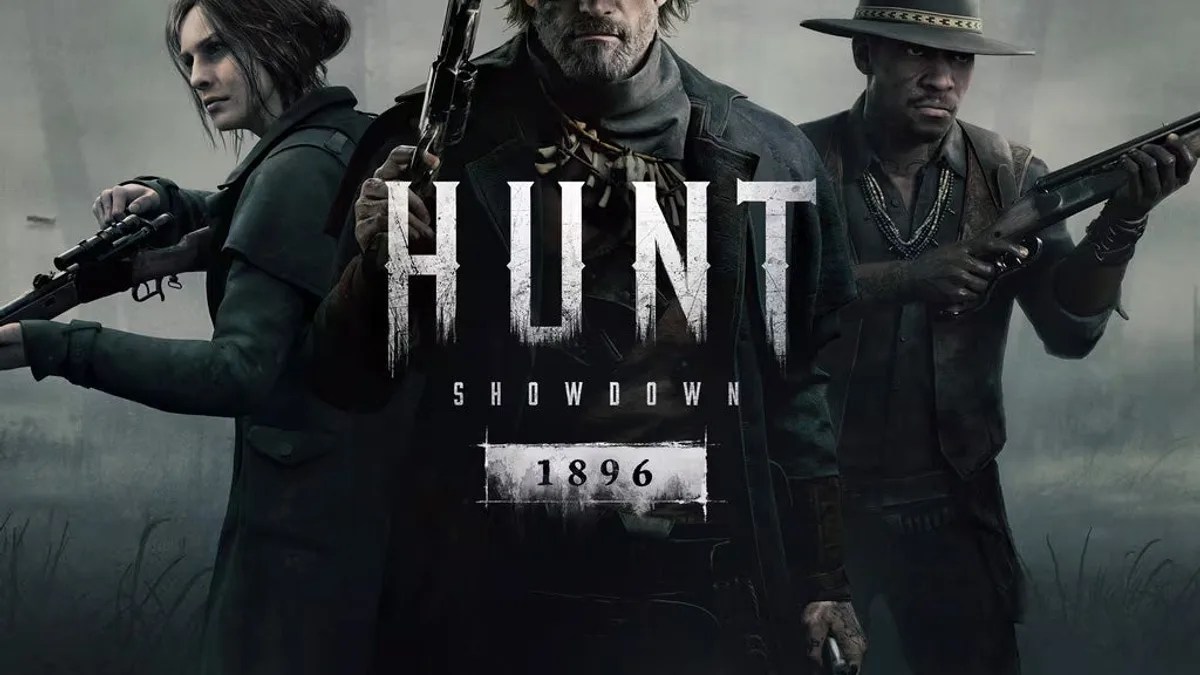
Core cheat features for Hunt: Showdown
Most Hunt: Showdown cheat packages focus on information first: player ESP, loot markers, configurable aim assist, 2D radar, hotkey toggles, and patch-status indicators. Used together, these tools shorten the gap between spotting a threat and acting on it — especially in modes built around boss clues, dark sight, and extraction ambushes.
Treat anti-cheat awareness as your starting preset, not a permanent loadout. The best configs expose just enough data to make decisions without cluttering the screen during hectic fights.
Because Hunt: Showdown revolves around track clues, banish bosses, collect bounties, and extract while watching for rival hunters, cheat value comes from timing — knowing when to toggle overlays on, when to lean on aim assist, and when to play clean to avoid spectator reports.
First-time setup and safe defaults
Enable ESP and radar before aim features — information tools carry less risk while you learn each map.
Before enabling everything, map your toggle keys for ESP, radar, and aim assist. Hunt: Showdown sessions move fast; fumbling hotkeys mid-fight is worse than running no cheats at all.
Run a private or low-stakes match to validate overlay positions, FOV circles, and distance filters. Adjust opacity until you can read names, loot tiers, and threat markers at a glance.
Tuning ESP, aimbot, and radar together
Tune overlay opacity, distance filters, and aim smoothing so features stay readable under pressure.
Align anti-cheat awareness with your role. Aggressive players need tighter aim FOV and faster target switching; loot-focused players should widen ESP range and shrink combat overlays.
Ammo types and penetration matter for boss weak points and player armor. The same idea applies to cheats — filter noise, highlight high-value targets, and let radar handle off-screen pressure so ESP stays readable.
Advanced profiles and report avoidance
Maintain separate legit and full profiles with hotkey swaps for clutch moments or streaming.
High-stakes Hunt: Showdown lobbies punish obvious configs. Lower aim smoothing spikes, avoid tracking through hard cover, and disable snaplines when streaming or recording.
Extract through less popular gates when gunfire clusters on the opposite side of the map. Pair that in-game discipline with cheat discipline: if a feature feels too visible, turn it off for a week and rely on radar plus ESP until patches settle.
Anti-cheat updates and patch-day checks
Most online games ship silent anti-cheat updates — verify compatibility after every major patch.
Hunt: Showdown ships balance patches, seasonal content, and silent anti-cheat updates. Re-test every feature after patch day — especially wallhack, player ESP, and memory-dependent aim options.
Keep a checklist: loader status, build version, overlay compatibility, and whether ranked or anti-cheat-heavy modes are supported. Never queue ranked with untested settings.
For additional perspectives on cheat features, patches, and related resources, you can also explore this resource.